Showing: 1 - 10 of 17 RESULTS
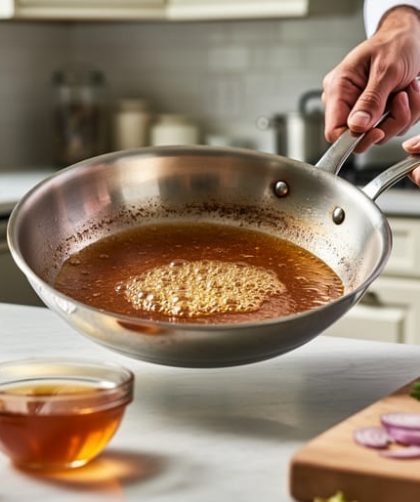
Close-up of a stainless skillet with a chef deglazing fond using vegetable stock and white wine, illustrating oil-free French cooking technique.

7 Proven Alternatives to Cooking with Oil for Healthier, Flavorful Dishes

Cooking without oil is entirely achievable through techniques like water sautéing, dry roasting, vegetable stock deglazing, and strategic use of acidic ingredients. These methods preserve flavor complexity while eliminating added fats, drawing heavily from classical French culinary principles where technique, not excess fat, defines excellence. Whether you’re reducing calories, managing dietary restrictions, or simply exploring the pure flavors of ingredients as they appear in many traditional French dishes oil-free cooking …

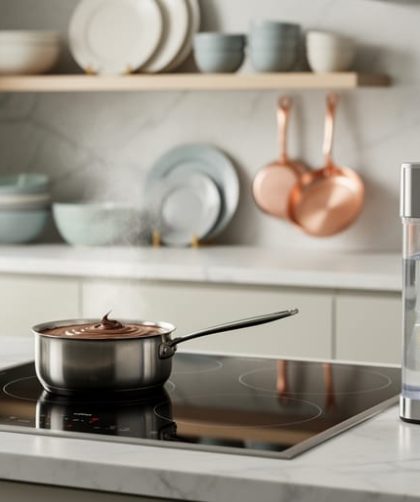
“Close-up of modern induction, an immersion blender, and a sous vide circulator in a French-inspired kitchen counter setup.”

Appliance Innovations That Transform Your French Kitchen

Modern appliance innovations bridge the gap between professional French cooking techniques and the home kitchen, offering precision controls and automated features that once required years of culinary training to achieve manually. Induction cooktops now deliver the exact temperature control needed for tempering chocolate or maintaining a bain-marie. Combi-ovens regulate humidity and heat independently, making it possible to achieve a perfect crust on croissants while keeping the interior tender. Smart sous vide circulators hold water temperatures within 0.1 degrees, ensuring proteins reach ideal doneness every time.
These …

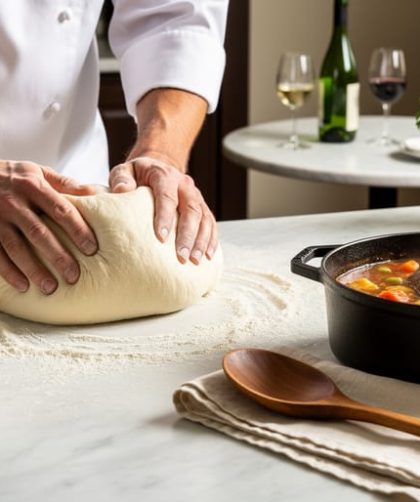
Chef’s hands kneading dough on a floured marble counter with a bubbling braiser and glossy sauce, herbs and wine in the softly blurred background.

12 Traditional French Dishes Every Home Cook Should Master

French cuisine remains one of the world’s most influential culinary traditions because it established the foundational techniques that modern cooking still relies on. Mastering traditional French dishes means learning how to properly sauté, braise, emulsify, and build layered flavors through classic methods like making roux, clarifying stocks, and reducing sauces. These twelve essential recipes represent the cornerstone of French cooking, from everyday bistro staples to refined preparations that showcase precision and patience.
Key Takeaway: Mastering these 12 traditional French dishes …

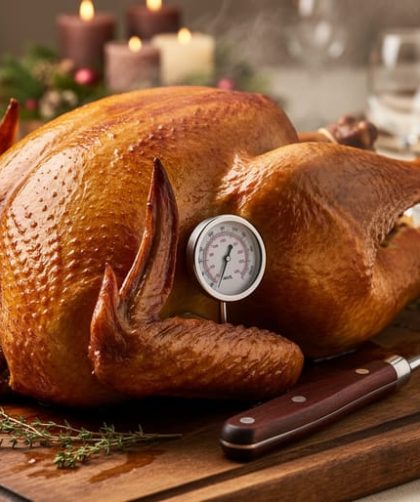
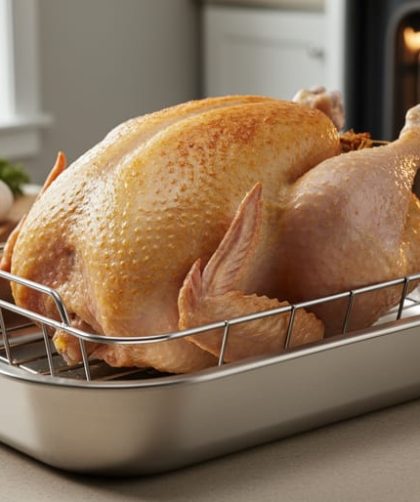
Butterball turkey breast roasting skin-side up on a rack in a shallow pan, photographed in a warm holiday kitchen setting.

Butterball Turkey Breast Cooking Instructions: Master French Techniques for Your Holiday Centerpiece

Preheat your oven to 325°F and calculate 20 minutes of cooking time per pound for an unstuffed Butterball turkey breast, ensuring your meat thermometer reaches 165°F in the thickest part before removing from heat. Remove all packaging materials, including the netting if present, and pat the turkey breast completely dry with paper towels to achieve proper browning. Position the breast skin-side up on a roasting rack set inside a shallow pan, allowing air circulation underneath for even cooking.
Season the exterior liberally with salt at least one hour before cooking, or preferably the night before, following the French technique of…

Jars of milk

Are Hormones in Milk Harmful to Your Health? The Surprising Answer

Perhaps you’ve heard some scary things about the hormones in milk lately. Does Canadian milk contain hormones that can secretly mess with your hormones? Are hormones in milk harmful?
The truth is, it’s complicated. While some studies have linked hormones in milk and dairy foods to potential health issues, the evidence is mixed, and there are a lot of myths out there.
Like cooking with cannabis oil, researching hormones in milk could be a hassle without the right…

5 Tips for Cooking With Cannabis Oil

Every day, people are finding new ways of using legalized Cannabis. Different ways to use CBD are being discovered daily, and one of them is cooking with Cannabis oil. For people who don’t smoke, cooking with Cannabis oil is an innovative and fun way of using the herb.
Tips for Cooking With Cannabis Oil
1. Choose the Right CBD Product to Use
When cooking with Cannabis oil, you should know that not all CBD-related products are great for cooking. Instead, you could use homemade CBD coconut oil or olive oil. They are a better option and great for quick oral administration. You should also consider the quality of…

Vaporizer

Cooking with Your Vaporizer

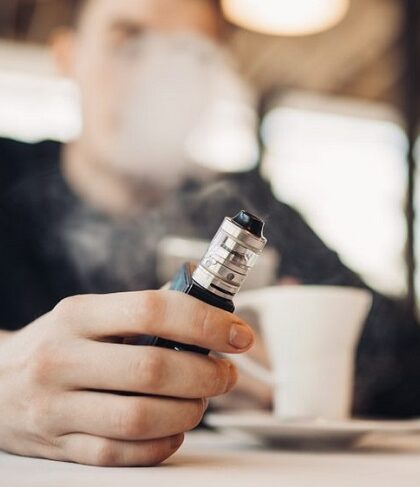
Many people have kitchen appliances in their kitchens that they have never used. However, Bargain E-Juice says, some gadgets in our kitchens can be used for cooking but were never meant for it. One example of these is your vaporizer. Yes, vaporizers are no longer just used for vaping because they can now be utilized to make quick and easy but still delicious meals.
Still, how can you use a vaporizer for cooking? Continue reading to find out.
An Overview of Vaporizers
In general, vaporizers weren’t designed with cooking food in mind. In fact, these devices are primarily used …

French Cooking 101: Spices

The secret to exquisite French cuisine is the complex flavors brought by spices.
There are seven essential spices that French cooks use to create mouth-watering, intense flavors in their dishes. So, if you have them in your spice rack or storage, then you can get yourself cooking with these to create your first French meal.
Bouquet Garni
It’s mainly a bouquet of herbs like parsley, thyme, sage, peppercorn, and bay leaves tied on butcher string. They all work well with stock and French …

Five Alternatives to Olive Oil

Let’s face it; many kitchens worldwide always have a bottle of olive oil in stock. While it has many uses for cooking, flavoring, and even salad dressings, plus its extensive health benefits, it isn’t one of the most affordable options on the market, making you look for alternatives.
So, which cooking oils should you consider in place of olive oil?
Almond Oil
This Vitamin E-packed oil is proven to reduce total cholesterol while giving any dish a flavorful touch. You can also use this for salad dressings, soups, and pasta.
Coconut Oil
This is …

Boiling, Poaching, or Simmering: What’s the Difference?

Throughout your cooking experience, you may have read the terms poaching, boiling, and simmering.
Of course, while all these involve hot water, they are not the same terms. This article will explore how they’re distinct from one another and how you can apply these terms to your cooking.
Boiling
Boiling involves heating water to its boiling point (212°F). It is notable because it creates drastic bubbles rolling at the surface. The most common ingredients cooked with the boiling technique are rice, grains, eggs, vegetables, and pasta.
Simmering
This…