Showing: 1 - 3 of 3 RESULTS
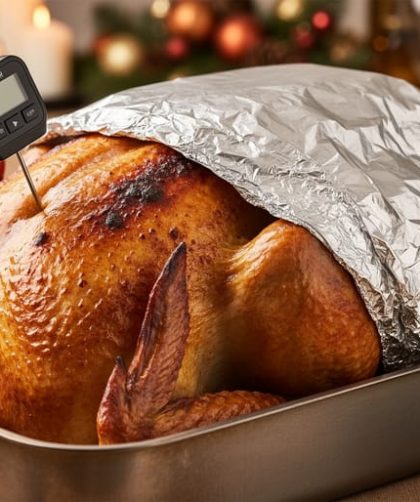
Roasted turkey in a roasting pan with a food thermometer probe inserted into the thigh and a foil tent over the breast.

How to Cook a Turkey to Perfection: Times and Temperatures for Every Size

Roasting a perfectly golden, juicy turkey comes down to three essential numbers: a safe internal temperature of 165°F, an oven set to 325-350°F, and a cooking time of 13-15 minutes per pound for an unstuffed bird or 15-20 minutes per pound for a stuffed one. These benchmarks ensure your centerpiece holiday roast reaches food-safe doneness without sacrificing moisture or tenderness. Success hinges on precision, not guesswork. The internal temperature must reach 165°F in the innermost part of the thigh and wing, verified with a reliable food thermometer, not the pop-up indicator that often comes pre-installed.
…
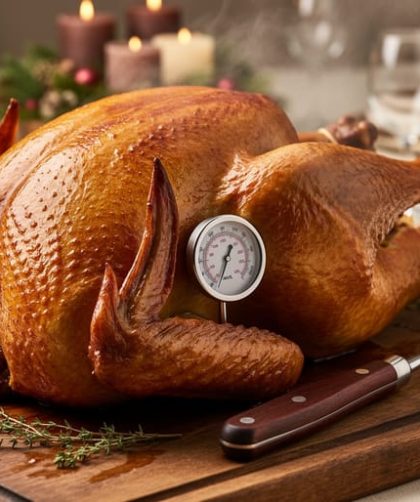
Roasted turkey on a wooden board with a meat thermometer inserted into the breast to check internal temperature.

How to Calculate Turkey Cooking Time Per Pound (15-Minute Rule Explained)

Roasting a turkey requires approximately 15 minutes per pound when cooked at 325°F to 350°F, a fundamental calculation that forms the backbone of holiday meal planning. This time-tested formula gives home cooks a reliable starting point for estimating total roasting duration, whether preparing an intimate 12-pound bird or a centerpiece 20-pounder for a festive gathering.
Understanding this baseline ratio transforms turkey preparation from guesswork into a methodical process rooted in classical French culinary principles of precision and technique. The per-pound calculation accounts for the way heat penetrates dense poultry, …

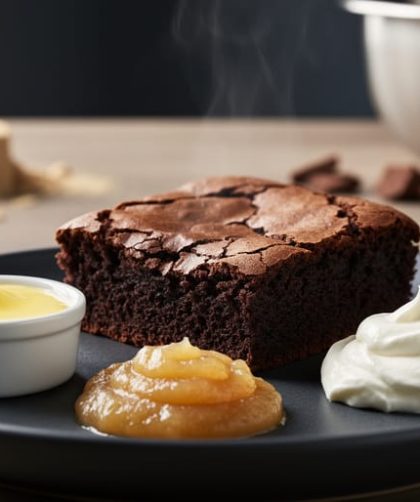
Fudgy brownies on a dark plate with ramekins of melted butter, applesauce, and Greek yogurt beside them to represent oil substitutions for texture.

How to Replace Vegetable Oil in Brownies Without Sacrificing Texture

You can successfully replace vegetable oil in brownies with butter, applesauce, Greek yogurt, or even avocado, each delivering a different texture and flavor profile while maintaining that coveted fudgy consistency. The key lies in understanding oil’s structural role: it coats flour proteins to inhibit gluten development, creates moisture through emulsification, and contributes to that tender crumb. When you substitute thoughtfully, matching fat content and adjusting ratios (typically 1:1 for butter, 3:4 for applesauce), your brownies will emerge just as decadent as the original.
Home bakers often reach for alternatives due to…