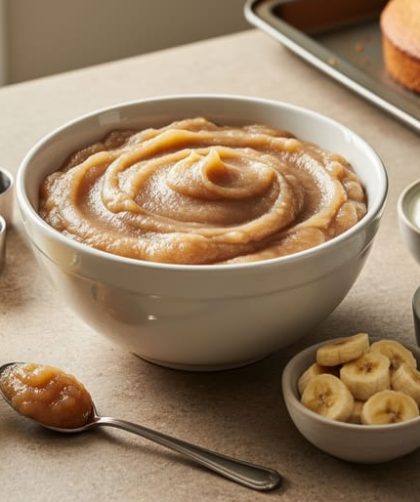
Out of oil mid-bake? Melted butter is the best swap, and you can use it one for one.

Culinary training
Structured lessons and deep dives into foundational and advanced French cooking methods—sauces, knife work, pastry, and plating—for novices and aspiring professionals.
Out of oil mid-bake? Melted butter is the best swap, and you can use it one for one.
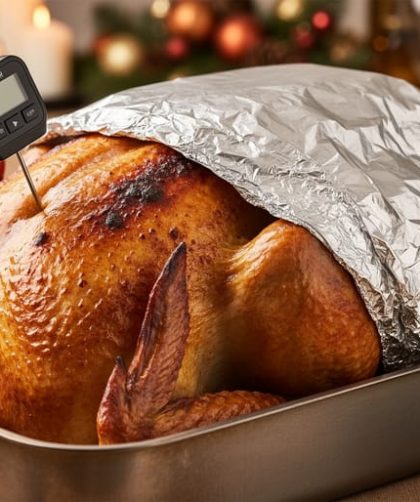
Roasting a perfectly golden, juicy turkey comes down to three essential numbers: a safe internal temperature of 165°F, an oven set to 325-350°F, and a cooking time of 13-15 minutes per pound for an unstuffed bird or 15-20 minutes per pound for a stuffed one. These benchmarks ensure your centerpiece holiday roast reaches food-safe doneness without sacrificing moisture or tenderness. Success hinges on precision, not guesswork. The internal temperature must reach 165°F in the innermost part of the thigh and wing, verified with a reliable food thermometer, not the pop-up indicator that often comes pre-installed.
…
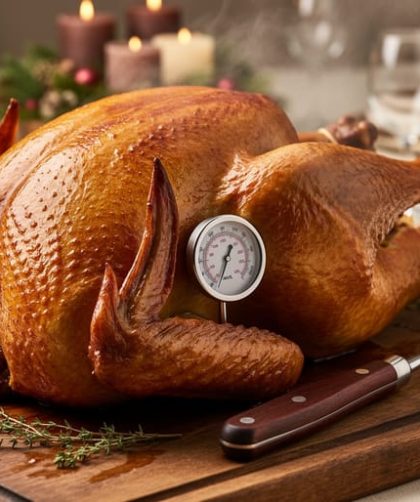
Roasting a turkey requires approximately 15 minutes per pound when cooked at 325°F to 350°F, a fundamental calculation that forms the backbone of holiday meal planning. This time-tested formula gives home cooks a reliable starting point for estimating total roasting duration, whether preparing an intimate 12-pound bird or a centerpiece 20-pounder for a festive gathering.
Understanding this baseline ratio transforms turkey preparation from guesswork into a methodical process rooted in classical French culinary principles of precision and technique. The per-pound calculation accounts for the way heat penetrates dense poultry, …
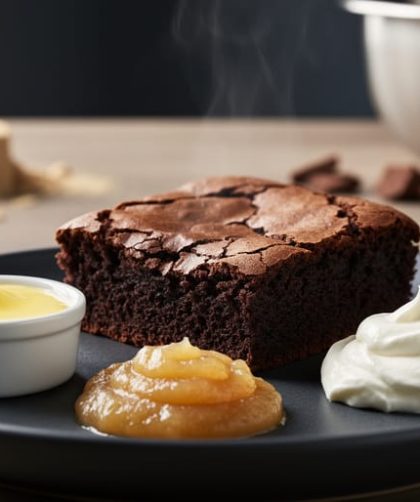
You can successfully replace vegetable oil in brownies with butter, applesauce, Greek yogurt, or even avocado, each delivering a different texture and flavor profile while maintaining that coveted fudgy consistency. The key lies in understanding oil’s structural role: it coats flour proteins to inhibit gluten development, creates moisture through emulsification, and contributes to that tender crumb. When you substitute thoughtfully, matching fat content and adjusting ratios (typically 1:1 for butter, 3:4 for applesauce), your brownies will emerge just as decadent as the original.
Home bakers often reach for alternatives due to…
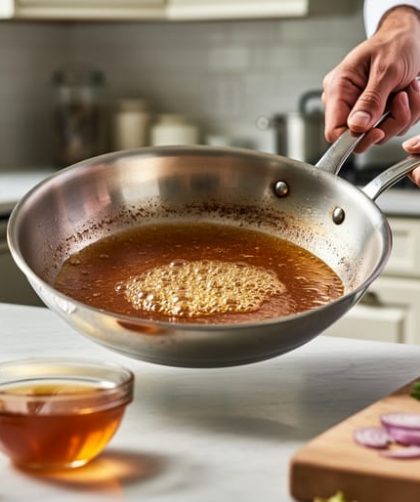
Cooking without oil is entirely achievable through techniques like water sautéing, dry roasting, vegetable stock deglazing, and strategic use of acidic ingredients. These methods preserve flavor complexity while eliminating added fats, drawing heavily from classical French culinary principles where technique, not excess fat, defines excellence. Whether you’re reducing calories, managing dietary restrictions, or simply exploring the pure flavors of ingredients as they appear in many traditional French dishes oil-free cooking …
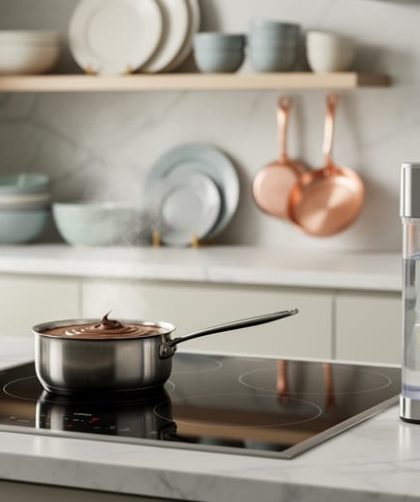
Modern appliance innovations bridge the gap between professional French cooking techniques and the home kitchen, offering precision controls and automated features that once required years of culinary training to achieve manually. Induction cooktops now deliver the exact temperature control needed for tempering chocolate or maintaining a bain-marie. Combi-ovens regulate humidity and heat independently, making it possible to achieve a perfect crust on croissants while keeping the interior tender. Smart sous vide circulators hold water temperatures within 0.1 degrees, ensuring proteins reach ideal doneness every time.
These …
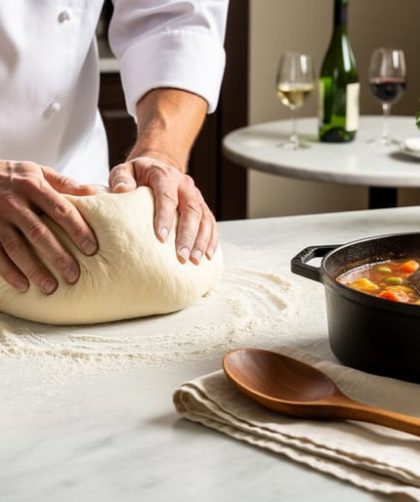
French cuisine remains one of the world’s most influential culinary traditions because it established the foundational techniques that modern cooking still relies on. Mastering traditional French dishes means learning how to properly sauté, braise, emulsify, and build layered flavors through classic methods like making roux, clarifying stocks, and reducing sauces. These twelve essential recipes represent the cornerstone of French cooking, from everyday bistro staples to refined preparations that showcase precision and patience.
Key Takeaway: Mastering these 12 traditional French dishes …
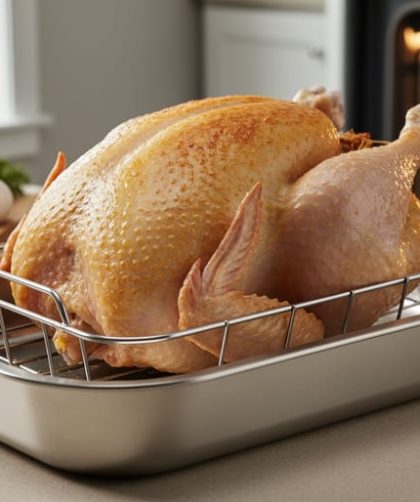
Preheat your oven to 325°F and calculate 20 minutes of cooking time per pound for an unstuffed Butterball turkey breast, ensuring your meat thermometer reaches 165°F in the thickest part before removing from heat. Remove all packaging materials, including the netting if present, and pat the turkey breast completely dry with paper towels to achieve proper browning. Position the breast skin-side up on a roasting rack set inside a shallow pan, allowing air circulation underneath for even cooking.
Season the exterior liberally with salt at least one hour before cooking, or preferably the night before, following the French technique of…