 rosendo
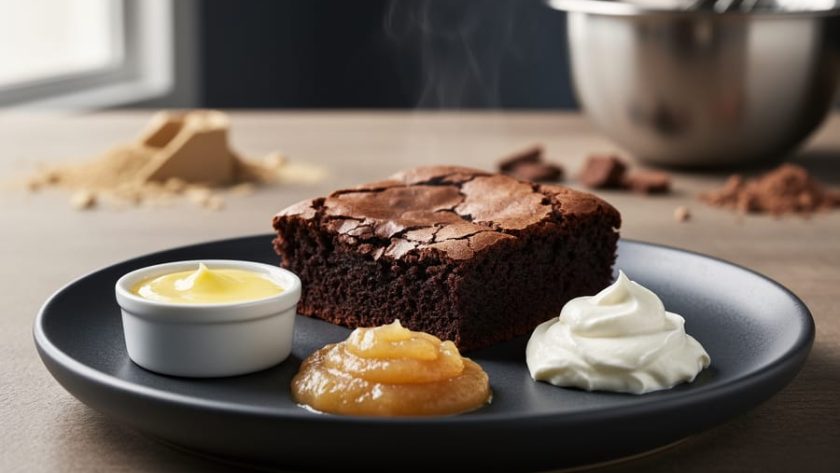
 You can successfully replace vegetable oil in brownies with butter, applesauce, Greek yogurt, or even avocado, each delivering a different texture and flavor profile while maintaining that coveted fudgy consistency. The key lies in understanding oil’s structural role: it coats flour proteins to inhibit gluten development, creates moisture through emulsification, and contributes to that tender crumb. When you substitute thoughtfully, matching fat content and adjusting ratios (typically 1:1 for butter, 3:4 for applesauce), your brownies will emerge just as decadent as the original.
Home bakers often reach for alternatives due to dietary restrictions, ingredient availability, or simply a desire to experiment with flavor complexity. Butter, for instance, introduces a richer taste and slightly cakier structure, while fruit purées reduce overall fat and add subtle sweetness. The technical challenge isn’t whether substitution works, but rather which alternative aligns with your desired outcome and how to calibrate moisture, mixing technique, and baking time accordingly.
This guide walks you through the foundational science, provides precise conversion ratios for seven tested alternatives, and equips you with troubleshooting strategies to handle texture variations. Whether you’re adapting a family recipe or exploring healthier options, you’ll gain the confidence to make informed substitutions that honor both technique and taste.
Why Substitute Vegetable Oil in Brownie Recipes
Vegetable oil has long been the default fat in brownie recipes because of its neutral flavor and reliable moisture contribution, but many home bakers now seek alternatives that offer more than just a functional role. While vegetable oil’s bland profile ensures it won’t compete with chocolate, it also represents a missed opportunity to add depth, character, or nutritional value to your brownies.
Bakers explore alternatives to cooking oil in brownie recipes for several compelling reasons:
- Enhancing flavor complexity with butter’s richness, olive oil’s fruity notes, or coconut oil’s subtle sweetness
- Accommodating dietary restrictions such as avoiding processed seed oils or adhering to paleo, whole-food, or allergen-free guidelines
- Improving nutritional profile by choosing oils higher in monounsaturated fats or omega-3 fatty acids
- Achieving specific textures, from the dense fudginess that butter provides to the lighter crumb that applesauce creates
- Working with available pantry ingredients when vegetable oil isn’t on hand or when a recipe calls for adjustments
Understanding these motivations helps you select the most appropriate substitute for your specific baking goals. A baker prioritizing intense chocolate flavor might choose refined coconut oil for its neutral contribution, while someone seeking nutritional improvement might opt for avocado oil’s heart-healthy fats. The key lies in recognizing that fat choice isn’t merely functional but a deliberate decision that shapes your final result.
Understanding Oil’s Role in Brownie Structure
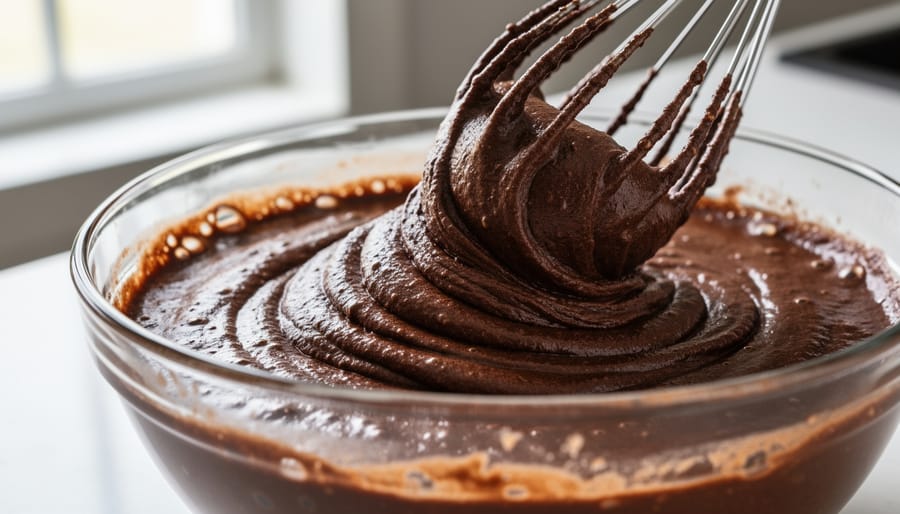
Fat serves as the structural architect in brownie recipes, orchestrating moisture, texture, and flavor in ways that transform simple ingredients into the fudgy, tender treats bakers crave. Understanding these mechanisms helps you evaluate healthier oil swaps and predict how each will perform in your batter.
When oil coats flour particles, it creates a hydrophobic barrier that limits gluten development. This tenderizing effect is crucial for brownies: less gluten formation means a softer, more delicate crumb rather than the tough, cake-like texture that develops when proteins bond too freely with water. The fat also traps moisture throughout baking, preventing evaporation and maintaining that signature dense, fudgy interior even as the edges set.
Beyond structure, fat acts as a flavor carrier. Cocoa contains fat-soluble compounds that bloom and intensify when suspended in oil, creating a more pronounced chocolate experience. This is why brownies made with oil often taste richer than those made with minimal fat, even when cocoa content remains constant.
The fat percentage in your chosen substitute matters considerably. Vegetable oil is 100 percent fat, while butter contains roughly 80 percent fat and 15 to 18 percent water. Applesauce or yogurt might contain only trace amounts of fat. This variance explains why direct 1:1 substitution can produce wildly different results. A lower-fat alternative introduces more water into your batter, potentially creating steam, activating gluten more aggressively, and yielding a cakier texture. Recognizing these differences before you mix allows you to adjust ratios, technique, or expectations accordingly.
Essential Equipment and Ingredients for Oil Substitution
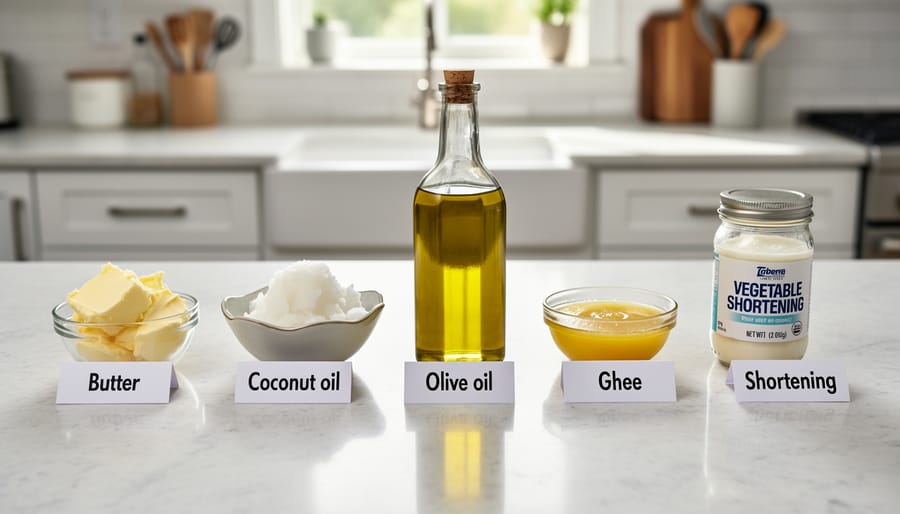
Successfully substituting oils in brownies requires specific tools that ensure precision and proper handling of different fat types. The right equipment makes the difference between a perfectly fudgy brownie and a disappointing result, especially when working with temperature-sensitive alternatives or fats that require melting before incorporation.
Your essential toolkit includes:
- Liquid and dry measuring cups (not interchangeable for accurate fat measurement)
- Digital kitchen scale for weight-based measurements of solid fats
- Double boiler or microwave-safe bowl for gentle melting of butter and coconut oil
- Whisk or electric mixer appropriate to your chosen fat’s consistency
- Instant-read thermometer to verify melted fats have cooled to 90-100°F before mixing
Temperature control matters more than many bakers realize. Melted butter or coconut oil added too hot will scramble eggs in your batter, while solid fats inadequately softened create uneven mixing and compromised texture. Reliable melting tools prevent overheating that can alter fat structure and affect final brownie quality.
For ingredient storage, dark glass bottles or opaque containers preserve delicate oils like avocado and grapeseed from light exposure that causes rancidity. Unrefined coconut oil and nut oils particularly benefit from refrigerated storage after opening. Standard vegetable oil tolerates pantry storage, but premium alternatives often require more careful handling to maintain their quality and flavor profiles throughout your baking projects.
Important Considerations Before Substituting
Before you swap oils in your brownie recipe, understand these critical factors that can make the difference between success and a disappointing batch.
Smoke point matters more than many home bakers realize. While brownies typically bake at moderate temperatures, oils with very low smoke points can break down during the creaming process or if your oven runs hot, creating acrid notes that clash with chocolate. Unrefined oils generally have lower smoke points and stronger flavors that may overpower delicate chocolate profiles, save extra virgin olive oil or unrefined coconut oil for recipes where their distinct taste complements rather than competes.
Flavor intensity requires careful consideration. A robust, fruity olive oil might work beautifully in a dark chocolate brownie with sea salt, but it will fight against milk chocolate or white chocolate variations. Similarly, toasted sesame oil or walnut oil can add interesting depth in small amounts, but used as a full replacement, they can dominate the entire dessert.
Storage practices directly impact your results. Opened bottles of specialty oils oxidize faster than neutral vegetable oil, especially those high in polyunsaturated fats like flaxseed or walnut oil. Store them in cool, dark places and use within their recommended timeframes. An expensive avocado oil that has gone rancid will produce worse brownies than fresh vegetable oil every time.
Finally, recognize when not to substitute. If you are following a carefully tested recipe from a professional baker or entering a competition, stick with the specified fat until you understand how alternatives perform. Some recipes rely on vegetable oil’s specific properties, and substitution may require additional adjustments to leavening, mixing time, or baking temperature that go beyond a simple swap.
Step-by-Step Guide to Substituting Oils in Brownies
Step 1: Select Your Alternative Based on Desired Outcome
Your first decision shapes everything that follows: do you want a neutral canvas that lets chocolate shine, or an alternative that adds its own character? Start by defining your outcome.
For neutral flavor that mimics vegetable oil’s blank-slate quality, reach for refined avocado oil or light olive oil. These disappear into the batter, maintaining brownie’s classic profile while offering better nutritional composition. Grapeseed oil works similarly, with a clean taste that won’t compete with cocoa.
If you’re after enhanced flavor, consider browned butter for nutty depth, or extra virgin olive oil for fruity notes that complement dark chocolate. Coconut oil adds subtle tropical sweetness, while tahini brings earthy richness to particularly fudgy batches.
Texture preferences matter equally. Liquid oils, whether neutral or flavored, produce the densest, fudgiest results because they coat flour proteins efficiently. Solid fats like butter or room-temperature coconut oil incorporate air during creaming, yielding slightly cakier brownies with more lift. Non-oil substitutes such as Greek yogurt or applesauce create chewier, less rich textures, trading some fudginess for moisture and tang.
Dietary needs narrow your options quickly. Vegans should stick with plant-based liquid oils or solid coconut oil. Those avoiding saturated fat favor liquid oils over butter or coconut products. Nut allergies rule out almond butter, while keeping other categories accessible.
Step 2: Calculate the Correct Ratio
Most liquid oil alternatives, including olive oil, avocado oil, and grapeseed oil, work as direct 1:1 replacements for vegetable oil. If your recipe calls for half a cup of vegetable oil, use half a cup of the substitute. Measure liquid oils at room temperature for accuracy.
Butter requires adjustment. It contains roughly 15-20% water, which affects both moisture and texture. Use 80% of the original oil measurement when substituting butter. For half a cup of oil, use just over 6 tablespoons of melted butter. Alternatively, compensate by reducing other liquids in your recipe by one tablespoon per stick of butter used.
Coconut oil (melted) substitutes 1:1 by volume, though its saturated fat content creates slightly denser brownies. Weigh it for precision if working with solid coconut oil, 100 grams replaces 100 grams of vegetable oil.
Non-traditional substitutes like applesauce work differently. Start with a 1:1 ratio, but expect chewier, cake-like results. For fudgier brownies, use three-quarters applesauce and add two tablespoons of another fat.
Greek yogurt follows similar guidelines: replace half the oil with yogurt for balanced moisture without excessive density. Full substitution produces overly cakey brownies that lack the signature fudgy texture.
Step 3: Prepare Your Substitute Properly
Proper preparation prevents the most common brownie disasters when working with oil substitutes. Solid fats like butter, ghee, or coconut oil must be melted gently, use low heat or short microwave bursts, stirring between intervals, to avoid overheating past 120°F. Scorched fat develops off-flavors that penetrate your chocolate base.
After melting, let the fat cool to lukewarm (around 85-95°F) before incorporating it into your batter. Add hot melted butter directly to eggs and you’ll cook them into scrambled bits rather than creating a smooth emulsion. Touch the bowl’s exterior; if it feels comfortably warm rather than hot, you’re ready to proceed.
For butter specifically, consider clarifying it first or whisking vigorously as you add it to offset the water content that can affect texture. When using non-oil options like applesauce or yogurt, bring them to room temperature and whisk until smooth, cold purees create clumps and resist mixing evenly through chocolate batter. A properly prepared substitute integrates seamlessly, setting you up for brownies with the exact texture you’re after.
Step 4: Incorporate the Substitute Into Your Batter
The incorporation method varies significantly depending on which substitute you’ve chosen, and this stage determines whether your brownies achieve the proper emulsion and texture. For liquid oils like avocado or grapeseed, you can follow standard mixing protocols. However, melted butter, coconut oil, and non-traditional substitutes require adjusted techniques to prevent seizing, separation, or overdevelopment of gluten.
- Combine your oil substitute with sugar first, whisking until the mixture lightens slightly and any granular texture begins to dissolve. This creates the foundation for proper emulsification.
- Add eggs one at a time, beating well after each addition. If using melted butter or coconut oil, ensure the mixture has cooled to lukewarm to prevent scrambling the eggs.
- Incorporate vanilla extract and any other liquid ingredients, whisking until fully combined and the mixture appears glossy.
- Add your dry ingredients in two additions, folding gently with a spatula rather than whisking vigorously. Stop mixing as soon as no flour streaks remain.
For applesauce or yogurt substitutes, expect a slightly looser batter consistency that may require an extra minute of gentle folding to achieve uniform distribution. The batter should flow slowly off your spatula in thick ribbons and appear cohesive without separation. If you notice oil pooling on the surface or dry pockets of flour, fold a few more times with deliberate strokes, scraping the bottom and sides of the bowl. Resist the urge to overmix, as this develops gluten and produces cakey rather than fudgy brownies.
Best Alternative Cooking Oils and Fats for Brownies
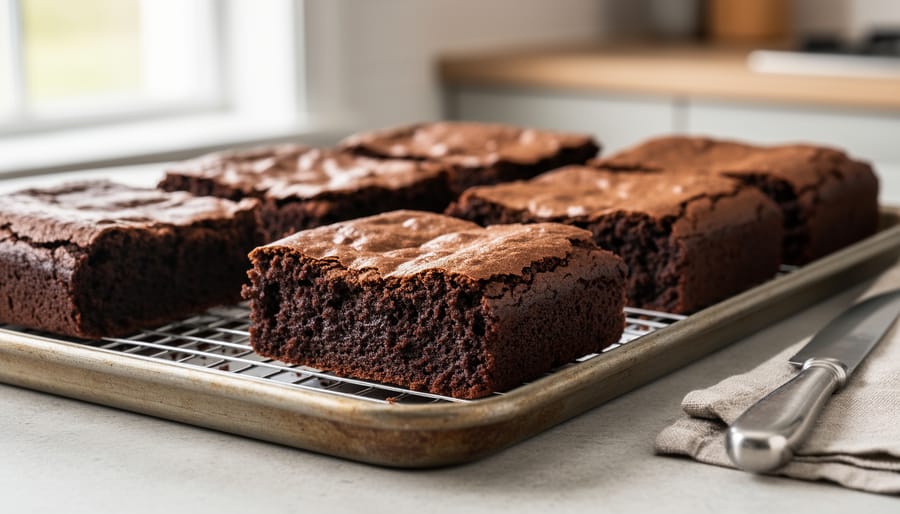
Liquid Oil Alternatives
Liquid oils offer the simplest substitution path since they match vegetable oil’s consistency and require no melting or temperature adjustments. Here are your most reliable options:
Light olive oil works at a 1:1 ratio and delivers a subtle, almost imperceptible flavor that won’t compete with chocolate. Skip extra virgin varieties, their robust, fruity notes can overpower brownies. This substitute shines when you want a clean swap with minimal recipe impact.
Avocado oil provides a truly neutral profile at 1:1 substitution, making it ideal for chocolate-forward recipes where you want nothing to distract from the cocoa. Its high smoke point handles brownie baking temperatures effortlessly, though its higher price point makes it better suited for special occasions.
Grapeseed oil substitutes 1:1 with an equally neutral taste and light texture. It’s particularly useful when you’re adding other flavor elements like espresso or orange zest and need the oil to disappear into the background.
Melted coconut oil (refined, not virgin) works at 1:1 but adds a whisper of tropical sweetness that pairs beautifully with dark chocolate. Let it cool slightly after melting before mixing with eggs to prevent scrambling. The refined version keeps coconut flavor minimal, use virgin only if you want that distinct taste.
Solid Fat Alternatives
Solid fats bring unparalleled richness and depth to brownies, though they require attention to water content and melting technique.
Butter remains the gold standard for luxurious brownies. Use a 1:1 ratio by volume, but remember butter contains roughly 15-20% water (less in European-style butter). This moisture can actually enhance fudginess, but if your brownies seem too wet, reduce other liquids by 1-2 tablespoons per stick of butter. European-style butter’s higher fat content delivers exceptional richness and a subtly tangy flavor that complements dark chocolate beautifully. Standard butter works perfectly well and adds nostalgic, bakery-quality taste. Always melt butter gently and cool it to lukewarm before adding to eggs to prevent scrambling.
Coconut oil in solid form substitutes 1:1 and creates incredibly moist, dense brownies with a slight tropical undertone. Refined coconut oil offers neutral flavor; unrefined adds distinct coconut notes that pair surprisingly well with chocolate. It sets firm when cool, contributing to that signature crackly top.
Ghee provides butter’s richness without the water content, making it ideal for ultra-fudgy results. Its nutty, caramelized flavor adds complexity. Use slightly less ghee than the oil called for, start with a 3:4 ratio, since it’s pure fat.
Non-Traditional Substitutes
For bakers prioritizing reduced fat content or distinctive flavor dimensions, applesauce, Greek yogurt, and nut butters offer viable alternatives that fundamentally alter brownie character.
Applesauce provides moisture with minimal fat, substituting at a 1:1 ratio. Unsweetened varieties work best to maintain control over sweetness levels. Expect a significantly cakier crumb with less fudgy density, brownies will rise higher and set more firmly. This substitute works beautifully when you’re aiming for lighter, more cake-like squares rather than dense, truffle-like texture. The mild fruit undertone remains subtle beneath chocolate’s dominance.
Greek yogurt (full-fat recommended) substitutes at roughly 3/4 cup yogurt per 1 cup oil. Its tangy profile adds complexity while contributing protein and creating tender crumb structure. The result sits between cakey and fudgy, softer than oil-based brownies but denser than applesauce versions. Whole milk yogurt yields better results than low-fat, which can produce gummy texture.
Nut butters (almond, cashew, or peanut) create intensely fudgy, almost truffle-like brownies when substituted 1:1. Their natural oils provide richness while introducing pronounced nutty flavor, ideal when you want that taste profile but problematic if chocolate purity matters. These work exceptionally well in flourless or gluten-free recipes where density is desired. Smooth varieties incorporate more evenly than chunky.
Each dramatically shifts texture expectations, so choose based on your desired outcome rather than direct replacement intent.
Testing for Success and Adjusting Results
Successful brownies made with oil alternatives display three key visual markers: a delicate, shiny crust on top, clean edges that pull slightly away from the pan, and a center that appears just set rather than jiggly. These visual cues should appear regardless of which substitute you’ve used, though butter-based brownies may develop a slightly shinier, more crackled top than those made with neutral oils like grapeseed or avocado.
The toothpick test requires adjustment when you’re aiming for fudgy brownies. Insert a wooden pick about one inch from the edge of the pan, it should emerge with a few moist crumbs clinging to it, not wet batter. For oil substitutes that create denser batters (like nut butters or applesauce), expect slightly more crumb attachment than you’d see with vegetable oil.
Texture evaluation comes after cooling. Brownies made with solid fats like butter should feel rich and dense without greasiness, while those made with applesauce may be slightly spongier. Press gently on the cooled surface, it should spring back lightly without leaving an indentation.
If your brownies turned out too dry, reduce baking time by three to five minutes next batch or increase your fat substitute by two tablespoons. Overly greasy results signal too much fat; cut back by one to two tablespoons and ensure solid fats were properly cooled before incorporation. Off-flavors, particularly bitterness, often come from extra virgin olive oil or unrefined coconut oil, switch to refined versions. Wrong texture, whether too cakey or too dense, typically stems from ratio miscalculations; review your measurements and consider the water content in your chosen substitute, adjusting the next attempt accordingly.
Common Questions About Oil Substitutes in Brownies
Successful brownie baking often hinges on understanding how different fats behave, and home bakers frequently encounter the same questions when experimenting with oil substitutes. These answers will help you navigate common concerns with confidence.
Can I use olive oil without tasting it in my brownies?
Light or refined olive oil works well without imparting noticeable flavor, while extra virgin olive oil will add a distinct, fruity taste that can clash with chocolate. Stick to light varieties for neutral results, or embrace extra virgin only if you want that Mediterranean character in your dessert.
Does butter make brownies more cake-like than oil?
Butter does create a slightly lighter crumb compared to oil because of its water content and the way it aerates during mixing. If you want to maintain fudgy texture with butter, melt it rather than creaming it, and avoid over-mixing once you add the flour.
What is the best vegan oil substitute for brownies?
Refined coconut oil and avocado oil are excellent vegan alternatives that provide the same moisture and tender texture as vegetable oil. Both work in direct 1:1 substitution and won’t compromise the fudgy quality you expect from brownies.
Can I mix different oils together in one brownie recipe?
Yes, blending oils lets you balance flavor and performance characteristics, much like applying classic French technique to ingredient selection. Try combining neutral avocado oil with a small amount of browned butter for complexity, or mix coconut oil with a tablespoon of olive oil for subtle depth.
Remember that storage matters when working with alternative oils. Nut-based oils and unrefined varieties can turn rancid faster than standard vegetable oil, so keep them refrigerated after opening and use within their recommended timeframe. Brownies made with butter will also have a shorter shelf life at room temperature compared to those made with stable oils like refined coconut or avocado oil.
When converting your favorite brownie recipe, start with a single substitution rather than changing multiple variables at once. This approach lets you understand exactly how each alternative affects your results, building the knowledge you need to customize recipes with precision.
Mastering oil substitutions in brownies opens up a world of creative possibilities in your baking. Once you understand how fat contributes to moisture, texture, and flavor, you gain the confidence to make informed choices rather than follow formulas blindly. Whether you’re drawn to the richness of browned butter, the subtle fruitiness of olive oil, or the clean profile of avocado oil, each alternative brings its own character to the finished brownie.
The beauty of this knowledge lies in its flexibility. You’re not bound by rigid rules but guided by principles that let you adapt any recipe to suit your taste, dietary needs, or ingredient availability. Some of your best batches may come from thoughtful experimentation, adjusting ratios and techniques until you discover your signature version.
Remember that even classic recipes evolved through countless iterations by bakers who dared to adjust and refine. Your kitchen is your laboratory, and each substitution teaches you something new about how ingredients interact. Trust your understanding of technique, pay attention to visual and textural cues, and don’t hesitate to make a recipe truly your own. The perfect brownie is the one that delights you.